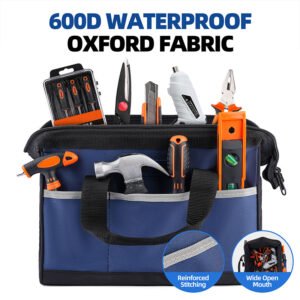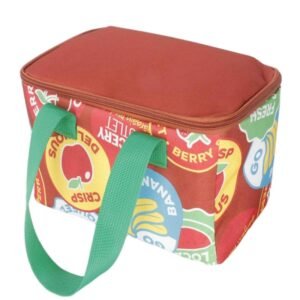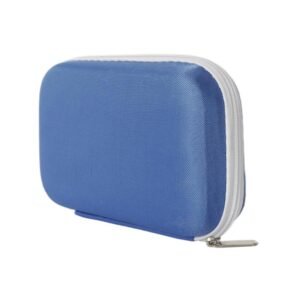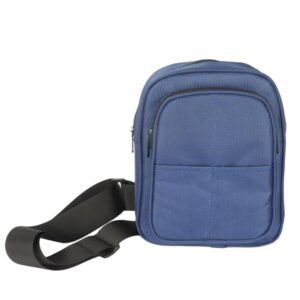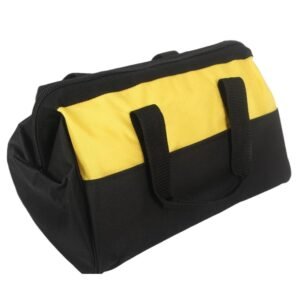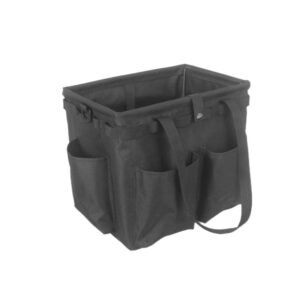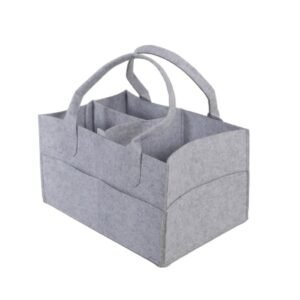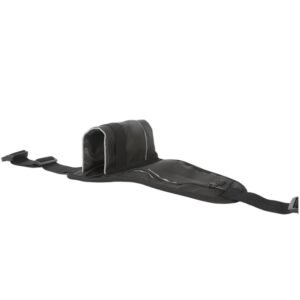
Tool storage bags are indispensable accessories for professionals, DIY enthusiasts, and hobbyists alike, providing a organized and portable solution to keep tools safe and accessible. The performance, durability, and functionality of a tool storage bag are largely determined by the materials used in its construction. From rugged outer shells that withstand harsh job site conditions to soft linings that protect delicate tools, each material plays a crucial role in the bag’s overall quality. This article explores the most common materials used in tool storage bags, their key characteristics, advantages, and ideal applications.
1. Outer Shell Materials: Durability and Weather Resistance
The outer shell is the first line of defense for a tool storage bag, tasked with resisting abrasion, punctures, water, and other external damages. The choice of outer material directly impacts the bag’s lifespan and suitability for different environments.
1.1 Nylon
Nylon is one of the most widely used materials for tool storage bag exteriors, particularly in the form of ballistic nylon or ripstop nylon. Ballistic nylon, originally developed for military applications, is renowned for its exceptional strength-to-weight ratio. It is made from high-tenacity nylon fibers woven tightly, creating a fabric that is highly resistant to abrasion, tears, and punctures. Ripstop nylon, on the other hand, features a special weave pattern with reinforced threads at regular intervals, preventing small tears from spreading into larger ones.
Advantages of nylon include its light weight, water resistance (when treated with a polyurethane or PVC coating), and ease of cleaning. It is ideal for both indoor and outdoor use, from construction sites to home workshops. However, uncoated nylon may not be fully waterproof, so bags intended for wet conditions often feature additional coatings or laminations.
1.2 Polyester
Polyester is another popular choice for tool storage bag outer shells, valued for its durability and resistance to UV rays, mildew, and chemicals. Like nylon, it is often woven into a dense fabric and coated with PVC or polyurethane to enhance water resistance. Polyester is known for its dimensional stability, meaning it retains its shape well even after repeated use and exposure to varying temperatures.
One of the key advantages of polyester over nylon is its superior UV resistance. This makes it an excellent choice for tool bags that will be used primarily outdoors, as it won’t fade or degrade as quickly under direct sunlight. Polyester is also slightly more affordable than high-grade ballistic nylon, making it a cost-effective option for budget-conscious users. However, it is marginally heavier than nylon and may not offer the same level of abrasion resistance as ballistic nylon.
1.3 Canvas
Canvas, typically made from cotton or a cotton-polyester blend, is a traditional material used in tool storage bags. Cotton canvas is known for its sturdiness, breathability, and natural resistance to abrasion. It has a classic, rugged appearance that many users prefer, and it softens slightly with use while maintaining its strength.
Blended canvas (cotton and polyester) combines the natural durability of cotton with the water and UV resistance of polyester, addressing some of the limitations of pure cotton canvas (which is absorbent and prone to mildew if not dried properly). Canvas tool bags are ideal for light to medium-duty use, such as carrying hand tools for home improvement projects. However, they are generally heavier than nylon or polyester bags and offer less protection against water and harsh chemicals.
1.4 PVC (Polyvinyl Chloride)
PVC is a synthetic plastic material often used for tool storage bags that require maximum water resistance and durability. It is typically used as a coating for nylon or polyester fabrics, but can also be used as a solid material for rigid tool cases or soft-sided bags with a vinyl exterior. PVC-coated fabrics are completely waterproof, making them ideal for use in wet or muddy conditions, such as plumbing jobs or outdoor construction.
Advantages of PVC include its resistance to chemicals, oils, and punctures, as well as its easy-to-clean surface (simply wipe with a damp cloth). However, PVC bags are heavier than nylon or polyester bags, and they may become brittle over time when exposed to extreme cold. Additionally, some users prefer alternative materials due to environmental concerns associated with PVC production and disposal.
2. Lining Materials: Protection and Organization
The lining of a tool storage bag is designed to protect the tools from scratches, dents, and internal damage. It also helps to keep the bag’s interior organized and prevents small tools from slipping into hard-to-reach corners. Common lining materials prioritize softness, durability, and ease of cleaning.
2.1 Polyester Taffeta
Polyester taffeta is a lightweight, smooth fabric commonly used as a lining for tool bags. It is made from tightly woven polyester fibers, creating a soft yet durable surface that won’t scratch or damage delicate tools, such as power tools with polished surfaces or precision instruments. Polyester taffeta is also water-resistant, helping to keep tools dry in case of minor spills or moisture seepage from the outer shell.
One of the key benefits of polyester taffeta is its affordability and availability. It is easy to clean and dries quickly, making it a practical choice for tool bag linings. However, it is not as abrasion-resistant as some other lining materials, so it may show signs of wear over time if used with sharp or heavy tools.
2.2 Nylon Mesh
Nylon mesh is often used for internal pockets and compartments in tool storage bags, rather than as a full lining. It is a lightweight, breathable fabric that allows users to see the contents of the pocket at a glance, making it easy to locate small tools or accessories. Nylon mesh is durable and resistant to tears, and it dries quickly if exposed to moisture.
While not typically used as the main lining (due to its porous nature), nylon mesh complements other lining materials by adding organizational functionality. It is ideal for storing small items like screws, nails, or drill bits, as it prevents them from shifting around inside the bag.
2.3 Velvet or Fleece
For high-end tool bags designed to protect delicate or expensive tools (such as electronic testing equipment, precision measuring tools, or camera equipment), velvet or fleece linings are often used. These materials are extremely soft and provide a cushioned barrier against scratches, dents, and impact damage. Velvet and fleece are also static-resistant, which is important for protecting electronic tools from static electricity.
However, velvet and fleece linings are less durable than polyester or nylon linings and are more prone to staining and wear. They are typically found in specialized tool storage bags rather than general-purpose construction or workshop bags.
3. Structural Materials: Support and Stability
In addition to the outer shell and lining, tool storage bags rely on structural materials to maintain their shape, support the weight of the tools, and prevent sagging. These materials are often hidden between the outer shell and lining but play a critical role in the bag’s functionality.
3.1 Foam Padding
Foam padding is used in tool bags to provide cushioning and support. It is often placed in the base, sides, and handles of the bag to absorb impact and distribute the weight of the tools evenly. Closed-cell foam is the most common type used, as it is water-resistant, durable, and does not absorb moisture. Open-cell foam is softer but less water-resistant, so it is typically used in indoor-only bags.
Foam padding not only protects tools from damage during transport but also makes the bag more comfortable to carry, reducing strain on the user’s shoulders or hands. It also helps the bag retain its shape when empty, making it easier to load and unload tools.
3.2 Rigid Plastic or Cardboard Inserts
Many tool storage bags feature rigid inserts in the base or sides to provide additional stability. These inserts are typically made from lightweight plastic (such as HDPE or PP) or heavy-duty cardboard. Plastic inserts are more durable and water-resistant, making them suitable for outdoor use, while cardboard inserts are more affordable but less resistant to moisture.
Rigid inserts prevent the bag from collapsing when placed on uneven surfaces, ensuring that tools remain organized and easily accessible. They also help to protect the bottom of the bag from wear and tear caused by placing it on rough or sharp surfaces.
3.3 Metal Hardware
While not a fabric material, metal hardware is an essential component of tool storage bags, contributing to their structural integrity and functionality. Common metal hardware includes zippers, buckles, D-rings, handles, and rivets. Zippers are typically made from metal (such as brass or stainless steel) for durability, as plastic zippers may break or jam under the weight of heavy tools.
Buckles and D-rings are used to secure the bag’s closures and attach additional accessories (such as shoulder straps or tool belts). Rivets reinforce stress points, such as handle attachments, preventing them from tearing away from the bag. High-quality metal hardware is corrosion-resistant, ensuring that it remains functional even in wet or humid conditions.
4. Choosing the Right Tool Storage Bag Material for Your Needs
When selecting a tool storage bag, the choice of material should be based on your specific use case, environment, and the type of tools you will be carrying. Here are some key considerations to help you make the right decision:
– Job Site Environment: If you work in wet, muddy, or harsh outdoor conditions, opt for a bag with a PVC-coated nylon or polyester outer shell for maximum water and abrasion resistance. For indoor workshops, a canvas or uncoated nylon bag may be sufficient.
– Tool Type and Weight: Heavy tools (such as hammers, wrenches, or power drills) require a bag with a durable outer shell (ballistic nylon or PVC) and strong structural support (foam padding, rigid inserts, and metal hardware). Delicate tools need a soft lining (velvet, fleece, or polyester taffeta) to prevent scratches.
– Portability: If you need to carry the bag for long periods, choose a lightweight material like nylon or polyester. Canvas and PVC bags are heavier but offer greater durability for stationary or short-distance use.
– Budget: Polyester and canvas bags are generally more affordable, while ballistic nylon and high-end lined bags are more expensive. Consider your budget and the frequency of use when selecting a material.
Tool Storage Bag Conclusion
The materials used in tool storage bags are carefully selected to balance durability, protection, functionality, and comfort. From the rugged outer shells that withstand job site abuse to the soft linings that safeguard delicate tools, each component plays a vital role in the bag’s performance. By understanding the characteristics and advantages of different materials, you can choose a tool storage bag that meets your specific needs and ensures your tools remain safe, organized, and accessible for years to come. Whether you’re a professional tradesperson or a DIY enthusiast, investing in a high-quality bag made from the right materials is a worthwhile investment in the longevity and efficiency of your tools.