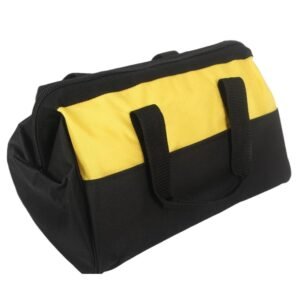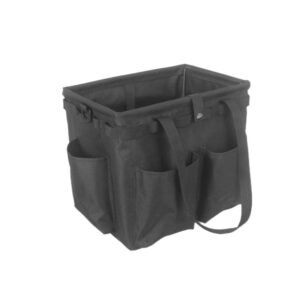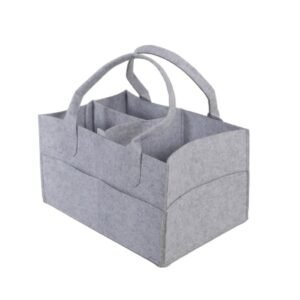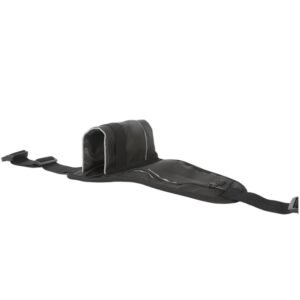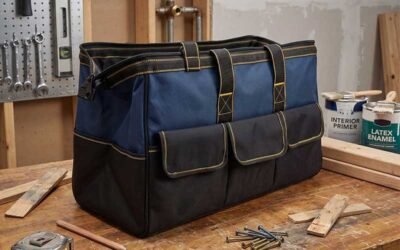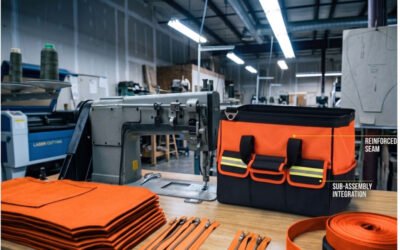
يشهد سوق حقائب تخزين الأدوات العالمي نمواً مطرداً وقوياً، حيث تبلغ قيمته حوالي 690 مليون دولار أمريكي في عام 2025، ومن المتوقع أن تصل إلى 897 مليون دولار أمريكي بحلول عام 2031 بمعدل نمو سنوي مركب يبلغ 4.5%. مدفوعًا بالازدهار الذي تشهده قطاعات البناء والصيانة الصناعية وإصلاح السيارات والأعمال اليدوية، يستمر الطلب على حلول تخزين الأدوات عالية الأداء والمخصصة للأعمال الشاقة في الارتفاع في جميع أنحاء العالم.
لم يعد المقاولون المحترفون والفنيون الصناعيون والعاملون الميدانيون يولون الأولوية لحقائب الأدوات الرخيصة الثمن والقابلة للتصرف. بل أصبحوا يركزون بدلاً من ذلك على المتانة، والقدرة على تحمل الأحمال، ومقاومة الماء، وكفاءة التخزين المصنفة.
فحقيبة الأدوات غير المطابقة للمعايير قد تتمزق بسهولة، أو تتسرب منها المياه، أو تتشوه، أو تنهار تحت الأحمال الثقيلة، مما يؤدي إلى تلف الأدوات وفقدان الأجزاء وزيادة تكاليف العمل. أما في مجال المشتريات الصناعية والمشتريات بالجملة، فإن اختيار حقائب تخزين الأدوات المطابقة للمعايير يسهم بشكل مباشر في تحسين كفاءة العمل في الموقع ويقلل من تكاليف الاستبدال على المدى الطويل.
يستعرض دليل الشراء الشامل هذا المعايير الأساسية للشراء، والمقارنات المهنية بين المواصفات، ومعايير التطبيق في القطاع، لمساعدتك على اتخاذ قرارات شراء فعالة من حيث التكلفة.
1. اختيار مادة القلب: الأداء المقاوم للتمزق والثقب
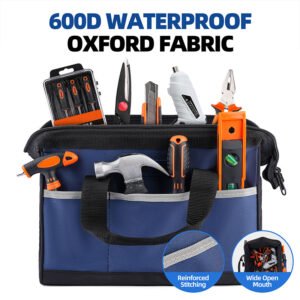
تحدد مادة النسيج العمر التشغيلي لحقيبة الأدوات وقدرتها على التكيف مع مختلف الظروف. تتميز الأدوات الصناعية في الغالب بحواف حادة وأجزاء معدنية ثقيلة، لذا فإن الحقائب القماشية العادية الرقيقة معرضة للتشقق والتآكل. وقد أصبحت الأقمشة المنسوجة عالية الكثافة الخيار السائد لحقائب الأدوات الاحترافية، حيث تُزوَّد بطبقات مقاومة للماء والتآكل لتتكيف مع بيئات العمل في الهواء الطلق ومواقع البناء.
في سوق حقائب الأدوات الحالية من الفئة المتوسطة إلى الراقية، تستحوذ أقمشة «أوكسفورد» 1680D و600D على أكثر من 70% من حصة المنتجات ذات الجودة الاحترافية، لتحل محل القماش التقليدي ومواد البوليستر العادية. ويقارن الجدول التالي أنواع الأقمشة السائدة في الصناعة بالتفصيل:
|
نوع القماش
|
مقاومة التآكل والثقب
|
الأداء المقاوم للماء
|
ميزة الوزن
|
السيناريوهات القابلة للتطبيق والمستوى الصناعي
|
|---|---|---|---|---|
|
قماش أكسفورد عالي الكثافة 1680D
|
ممتاز؛ خيوط سميكة، مقاومة فائقة للتمزق، ومقاومة لاختراق الأدوات الحادة
|
مقاوم للماء تمامًا (طلاء داخلي من مادة PVC + طبقة خارجية مقاومة للماء)
|
وزنه معتدل، ومتين، ولا يشغل مساحة كبيرة
|
مستوى صناعي احترافي؛ الأدوات الثقيلة، أعمال البناء في الهواء الطلق، الاستخدام المتكرر على المدى الطويل؛ المفضلة لدى 65% من المقاولين المحترفين
|
|
قماش أكسفورد قياسي 600D
|
جيد؛ أداء أساسي في مقاومة التمزق، ومناسب للأدوات المعدنية التقليدية
|
مقاوم للرذاذ، مع طلاء اختياري معزز لمقاومة الماء
|
خفيف الوزن وسهل الحمل
|
الصيانة اليومية، والأعمال اليدوية المنزلية، والاستخدام التجاري الخفيف؛ خيار احترافي ميسور التكلفة للمبتدئين
|
|
قماش سميك
|
متوسطة؛ مقاومة للتآكل لكن قدرتها على مقاومة الثقب ضعيفة
|
رطبة، تمتص الماء بسهولة، ورطبة
|
ثقيل، يسهل تصلبه بعد امتصاص الماء
|
طرق التخزين التقليدية للأدوات من الفئة المنخفضة، التي يتم التخلي عنها تدريجيًا في السياقات الصناعية
|
|
قماش بوليستر عادي
|
ضعيف؛ يسهل تآكله وتشققه تحت الضغط الشديد
|
مقاومة عامة للرذاذ
|
خفيفة الوزن ولكنها سهلة التشوه
|
للاستخدام المنزلي المؤقت، ولا يُنصح به للشراء الصناعي
|
اقتراح بشأن المشتريات: بالنسبة للاستخدامات الصناعية والهندسية والتجارية طويلة الأجل، يُفضل اختيار المنتجات المصنوعة من قماش «أوكسفورد» 1680D المزودة بطبقة مزدوجة مقاومة للماء. أما بالنسبة لفرق الصيانة اليومية الخفيفة، فإن قماش «أوكسفورد» 600D يمكن أن يحقق التوازن بين التكلفة والأداء.
2. التصميم الهيكلي: الدعم السفلي وتخطيط الفتحات (عامل أساسي في تحمل الأحمال)
وفقًا لإحصاءات بيانات ما بعد البيع في هذا القطاع، تحدث أكثر من 80% من حالات تلف حقائب الأدوات في الجزء السفلي ومفاصل الفتح. حيث تتسبب الأدوات والأجزاء المعدنية الثقيلة في ضغط وتأثير مستمرين على هيكل الحقيبة. ويمكن للتصميم الهيكلي المعقول أن يمنع بشكل فعال ثقب الجزء السفلي، وانهيار هيكل الحقيبة، وصعوبة الوصول إلى الأدوات، مما يؤدي إلى تحسين العمر التشغيلي الإجمالي بشكل كبير.
2.1 تصميم بقاعدة صلبة مقاومة للثقب
يُعد القاع الجزء الرئيسي الذي يتحمل الوزن في حقيبة الأدوات. تتميز حقائب الأدوات الاحترافية بقاع صلب مصنوع من البلاستيك الهندسي PE أو المطاط السميك، مما يعالج المشاكل التي تعاني منها الحقائب ذات القاع اللين، مثل سهولة التشوه وتسرب المياه وثقب القاع بواسطة الأجزاء الحادة. كما يعمل القاع الصلب على عزل الرطوبة الأرضية، ومنع الأدوات والأجزاء المخصصة من الصدأ، والحفاظ على استقامة الحقيبة سواء كانت فارغة أو محملة بالكامل.
2.2 تخطيط الفتحات والأقسام
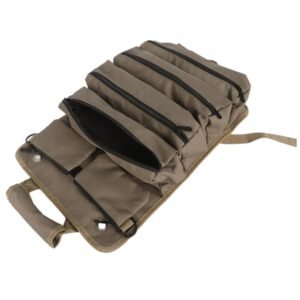
يقضي العاملون الميدانيون ما بين 15% و20% من وقت عملهم في البحث عن الأدوات وقطع الغيار المتناثرة. ويمكن أن يؤدي التصميم العلمي للأقسام والهيكل المفتوح إلى تحسين كفاءة العمل بشكل ملحوظ. ويمكن فتح الفتحة الكبيرة المقواة بالأسلاك الفولاذية بالكامل بعد فتح السحاب، مما يوفر رؤية داخلية واضحة وإمكانية الوصول بيد واحدة. تسمح الأشرطة المطاطية الداخلية وجيوب التقسيم متعددة الطبقات بتصنيف الصمامات والموصلات السريعة والبراغي والأجزاء الصغيرة الأخرى لتجنب التصادم والتآكل بين الأجزاء المعدنية.
|
التكوين الهيكلي
|
حقيبة أدوات ذات جودة احترافية
|
حقيبة أدوات تجارية عادية
|
الفوائد العملية
|
|---|---|---|---|
|
هيكل القاع
|
قاعدة صلبة من مادة البولي إيثيلين / قاعدة سميكة من المطاط مقاومة للثقب
|
قاعدة من القماش الناعم، بدون دعامة
|
مقاومة التسرب، ومقاومة الثقب، ومقاومة التشوه، وإطالة العمر التشغيلي بفضل 40%+
|
|
تصميم الافتتاحية
|
فتحة كبيرة مفتوحة بالكامل ومقواة بأسلاك فولاذية
|
فتحة سحاب عادية ضيقة
|
رؤية داخلية كاملة، وصول سريع إلى الأدوات، توفير وقت التشغيل
|
|
الحواجز الداخلية والخارجية
|
حاجز داخلي متعدد الطبقات + شريط تثبيت مرن + جيب خارجي سهل الوصول إليه
|
تجويف داخلي مجوف أحادي الطبقة، مع وجود عدد قليل من الجيوب الخارجية
|
التخزين المصنف، لتجنب فقدان الأجزاء والتآكل الناتج عن اصطدام الأدوات
|
3. ملحقات الأجهزة والحرف اليدوية المتعلقة بالخياطة: ضمان المتانة في ظل الأحمال الثقيلة
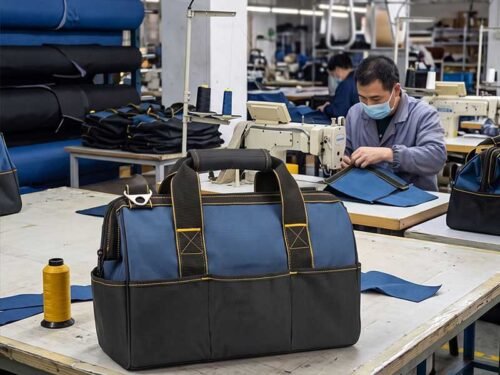
يُعزى فشل حقائب الأدوات في تحمل الأحمال في الغالب إلى الخياطة غير المحكمة وتلف الملحقات. وتستخدم حقائب الأدوات الصناعية الاحترافية تقنيات الخياطة الصناعية وملحقات معدنية سميكة لتحمل الاستخدام المكثف على المدى الطويل. وتشير البيانات الصناعية إلى أن حقائب الأدوات المزودة بخياطة معززة وملحقات معدنية تتمتع بعمر خدمة متوسط يزيد بثلاث مرات عن المنتجات المدنية العادية.
|
الملحقات الأساسية والحرف اليدوية
|
المعيار الصناعي الاحترافي
|
تكوين منخفض التكلفة دون شروط
|
تذكير بشأن المشتريات
|
|---|---|---|---|
|
عملية الخياطة
|
خياطة متقاطعة + تقوية بـ«بارتاك» عند نقاط الضغط
|
خياطة مستقيمة عادية مفردة، بدون تقوية
|
يجب تعزيز نقاط الضغط، مثل مقبض الحقيبة وقاعدة حزام الكتف، لمنع تمزقها تحت الحمل الثقيل
|
|
مواصفات السحاب
|
سحاب مزدوج ذو أسنان خشنة ومكثف من طراز 8#/10#، ناعم ومقاوم للتشابك
|
سحاب عادي رفيع من طراز 5#، يسهل انحشاره وكسره
|
السحاب السميك يتحمل الفتح والإغلاق المتكررين، كما يتحمل البيئة التي تحتوي على شظايا معدنية
|
|
موصل حامل للأحمال
|
حلقة معدنية سميكة على شكل حرف D + تثبيت ببرشام معدني
|
قطعة توصيل بلاستيكية، سهلة الكسر في درجات الحرارة المنخفضة وتحت الأحمال الثقيلة
|
تُعد الملحقات المعدنية ضرورية في حالات الأحمال الثقيلة الصناعية
|
|
جهاز محمول باليد وحزام كتف
|
مقبض سميك من الإسفنج مقاوم للانزلاق + وسادة كتف عريضة لتخفيف الضغط
|
مقبض من القماش الرقيق، وحزام كتف ضيق، مما يجعل من السهل أن يضغط على اليدين والكتفين
|
التصميم المريح يقلل من الإجهاد الناتج عن الحمل لفترات طويلة
|
4. اختيار الحجم وملاءمته مع التطبيقات الصناعية
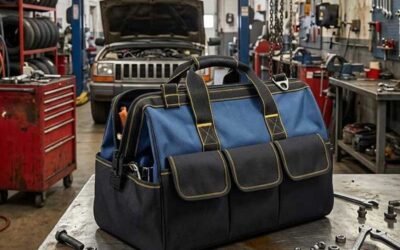
تتناسب سيناريوهات العمل المختلفة مع أحجام مختلفة من حقائب الأدوات. سيؤدي اختيار الحجم غير المناسب إلى عدم كفاية مساحة التخزين أو إلى حملها بصعوبة بسبب حجمها الكبير. وبالنظر إلى عادات الاستخدام لدى المستخدمين الصناعيين وبيانات المبيعات في السوق، فإن حقائب الأدوات مقاس 14-16 بوصة هي النماذج الأكثر شيوعًا، حيث تستحوذ على حصة مبيعات تبلغ 58% من السوق، وهي مناسبة لمعظم عمليات الصيانة الميدانية والعمليات الهندسية. أما النماذج ذات السعة الكبيرة مقاس 18 بوصة وما فوق، فتُستخدم بشكل أساسي للتخزين الثابت في المستودعات وصناديق السيارات.
- – الطراز المحمول مقاس 14-16 بوصة: يجمع بين السعة وسهولة الحمل، ومناسب لأعمال الصيانة الكهربائية، وهندسة الأنابيب، وأعمال البناء في المواقع، والعمليات الميدانية اليومية، وهو الخيار الأول للعاملين المحترفين في الخطوط الأمامية
- – طراز بسعة كبيرة مقاس 18 بوصة فأكثر: مساحة تخزين فائقة، مناسب لتخزين الأدوات الميكانيكية الكبيرة، والأجزاء المخصصة بالجملة، وملحقات الصمامات، والتركيب الثابت في الورش والمستودعات
- – نموذج متعدد الوظائف ذو طبقات: مناسب للسيناريوهات التي تتطلب تصنيفًا دقيقًا للأجزاء الصغيرة مثل الموصلات السريعة والمعدات الدقيقة
5. ملخص اتجاهات القطاع وعمليات الشراء
مدفوعًا بأعمال بناء البنية التحتية العالمية والتحديث الصناعي، يواصل سوق حقائب تخزين الأدوات تطوره نحو الاحترافية والمتانة والتصميم المراعي لاحتياجات المستخدم. وتتزايد الحصة السوقية لحقائب الأدوات الصناعية من الفئة المتوسطة إلى العالية عامًا بعد عام، ويبتعد المستخدمون تدريجيًا عن المنتجات التي تُستخدم لمرة واحدة ذات التكلفة المنخفضة والمتانة الضعيفة. ومن منظور الشراء بالجملة والتحكم في التكاليف على المدى الطويل، يمكن لحقائب الأدوات عالية الجودة والمخصصة للأعمال الشاقة أن تقلل بشكل فعال من تكرار الاستبدال وتكاليف الاستخدام الإجمالية.
قائمة مراجعة الشراء النهائية
✅ مصنوع من قماش أكسفورد عالي الكثافة 600D/1680D + طبقة مزدوجة مقاومة للماء
✅ قاعدة صلبة من مادة البولي إيثيلين (PE) مقاومة للثقب لمنع تسرب المياه وتلف الأدوات
✅ فتحة مفتوحة بالكامل ومقواة بأسلاك فولاذية + حاجز فاصل مصنف إلى مناطق متعددة
✅ خياطة معززة + إكسسوارات معدنية سميكة
✅ مقبض مريح ومضاد للانزلاق وحزام كتف يقلل الضغط
✅ اختر الحجم المناسب وفقًا لسيناريوهات العمل