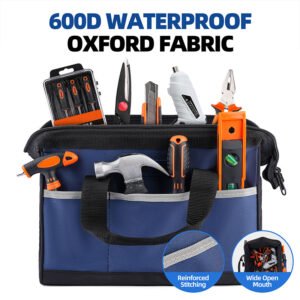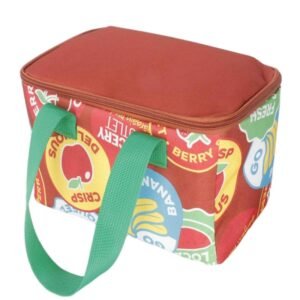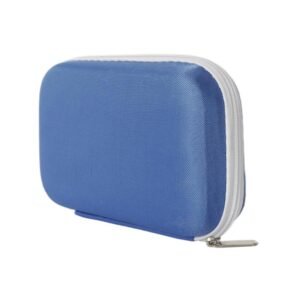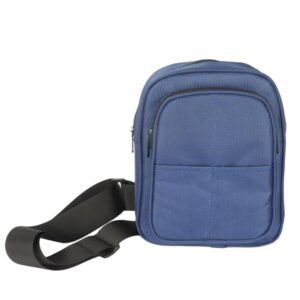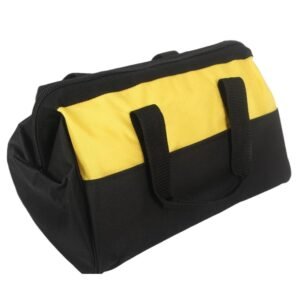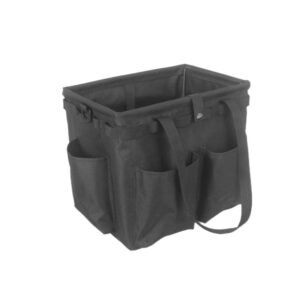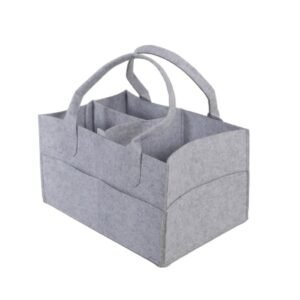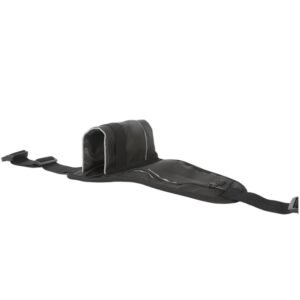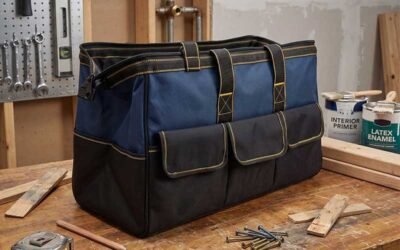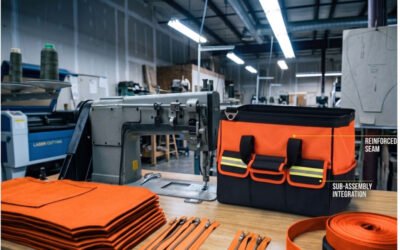
Der weltweite Markt für Werkzeugtaschen verzeichnet ein stetiges und robustes Wachstum; sein Marktvolumen wird im Jahr 2025 bei etwa 690 Millionen US-Dollar liegen und soll bis 2031 bei einer durchschnittlichen jährlichen Wachstumsrate (CAGR) von 4,51 % auf 897 Millionen US-Dollar ansteigen. Angetrieben durch die boomenden Branchen Bauwesen, industrielle Instandhaltung, Kfz-Reparatur und Heimwerken steigt die Nachfrage nach leistungsstarken, strapazierfähigen Aufbewahrungslösungen für Werkzeuge weltweit weiter an.
Professionelle Handwerker, Industrietechniker und Außendienstmitarbeiter legen keinen Wert mehr auf kostengünstige Einweg-Werkzeugtaschen. Stattdessen legen sie Wert auf Langlebigkeit, Tragfähigkeit, Wasserdichtigkeit und eine effiziente, übersichtliche Aufbewahrung.
Eine minderwertige Werkzeugtasche reißt leicht, lässt Wasser eindringen, verformt sich oder versagt unter hoher Belastung, was zu Werkzeugschäden, dem Verlust von Teilen und erhöhten Arbeitskosten führt. Bei der industriellen Beschaffung und beim Großeinkauf trägt die Auswahl qualifizierter Werkzeugtaschen direkt zur Verbesserung der Arbeitseffizienz vor Ort bei und senkt langfristig die Ersatzkosten.
Dieser umfassende Einkaufsratgeber fasst die wichtigsten Kaufkriterien, fachliche Parametervergleiche und branchenüblichen Anwendungsstandards zusammen, um Ihnen dabei zu helfen, kosteneffiziente Kaufentscheidungen zu treffen.
1. Auswahl des Kernmaterials: Reiß- und Durchstoßfestigkeit
Das Material des Gewebes bestimmt die Lebensdauer und die Einsatzflexibilität der Werkzeugtasche. Industriewerkzeuge verfügen meist über scharfe Kanten und schwere Metallteile, sodass gewöhnliche, dünne Stofftaschen anfällig für Risse und Abrieb sind. Hochdichte Gewebe haben sich als Standardmaterial für professionelle Werkzeugtaschen durchgesetzt und werden mit wasserabweisenden und verschleißfesten Beschichtungen kombiniert, um den Anforderungen im Außenbereich und auf Baustellen gerecht zu werden.
Auf dem aktuellen Markt für Werkzeugtaschen im mittleren bis oberen Preissegment machen 1680D- und 600D-Oxford-Gewebe mehr als 70% des Marktanteils bei Produkten in Profiqualität aus und ersetzen damit herkömmliches Segeltuch und gewöhnliche Polyester-Materialien. Die folgende Tabelle enthält einen detaillierten Vergleich der in der Branche gängigen Stoffarten:
|
Stoffart
|
Verschleiß- und Durchstoßfestigkeit
|
Wasserdichtigkeit
|
Gewichtsfunktion
|
Anwendungsszenarien & Industriequalität
|
|---|---|---|---|---|
|
1680D Oxford-Stoff mit hoher Dichte
|
Hervorragend; dickes Garn, extrem hohe Reißfestigkeit, widersteht dem Durchstechen durch scharfe Werkzeuge
|
Vollständig wasserdicht (PVC-Innenbeschichtung + wasserabweisende Außenschicht)
|
Von moderatem Gewicht, robust und nicht sperrig
|
Professionelle Industriequalität; schwere Werkzeuge, Bauarbeiten im Freien, langfristiger, häufiger Einsatz; bevorzugt von 65% professioneller Bauunternehmer
|
|
600D Standard-Oxford-Stoff
|
Gut; grundlegende Reißfestigkeit, geeignet für herkömmliche Werkzeuge
|
Spritzwassergeschützt, optionale verbesserte wasserdichte Beschichtung
|
Leicht und handlich
|
Tägliche Pflege, Heimwerkerarbeiten im Haushalt, leichter gewerblicher Einsatz; kostengünstige professionelle Einstiegslösung
|
|
Dickes Segeltuch
|
Mittel; verschleißfest, aber geringe Durchstoßfestigkeit
|
Schlechte Wasseraufnahme und Feuchtigkeitsanfälligkeit
|
Schwer, härtet nach Wasseraufnahme leicht aus
|
Herkömmliche Werkzeuggeschränke der unteren Preisklasse, die in industriellen Umgebungen nach und nach ausgemustert werden
|
|
Gewöhnliches Polyestergewebe
|
Mangelhaft; neigt unter starkem Druck zu Verschleiß und Rissen
|
Allgemeine Spritzwasserbeständigkeit
|
Leicht, aber leicht verformbar
|
Für den vorübergehenden Gebrauch im Haushalt; nicht für den industriellen Einsatz empfohlen
|
Einkaufsempfehlung: Für den industriellen, technischen und langfristigen gewerblichen Einsatz sollten Produkte aus 1680D-Oxford-Gewebe mit doppelschichtiger wasserdichter Beschichtung bevorzugt werden. Für Teams, die täglich leichte Wartungsarbeiten durchführen, bietet 600D-Oxford-Gewebe ein ausgewogenes Verhältnis zwischen Kosten und Leistung.
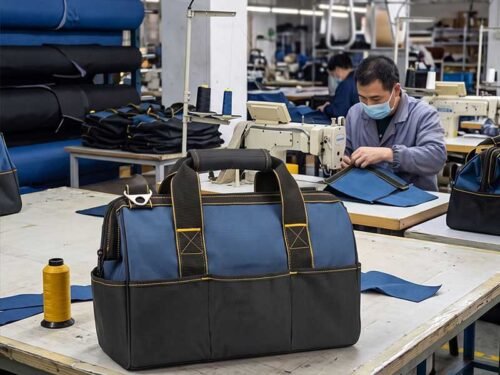
2. Konstruktionsplanung: Bodenabstützung und Anordnung der Öffnungen (entscheidend für die Tragfähigkeit)
Laut Statistiken zu Kundendienstdaten der Branche treten mehr als 80% der Schäden an Werkzeugtaschen am Boden und an den Öffnungsnähten auf. Schwere Metallwerkzeuge und -teile üben langfristig Druck und Stöße auf den Taschenkörper aus. Durch eine sinnvolle Konstruktion lassen sich Durchstiche am Boden, ein Zusammenfallen des Taschenkörpers und Schwierigkeiten beim Zugriff auf die Werkzeuge wirksam vermeiden, wodurch die Gesamtlebensdauer erheblich verlängert wird.
2.1 Durchstichsicheres Design mit festem Boden
Der Boden ist der tragende Hauptteil der Werkzeugtasche. Professionelle Werkzeugtaschen sind mit einem Hartboden aus PE-Technikkunststoff oder dickem Gummi ausgestattet, wodurch die Schwachstellen von Taschen mit weichem Boden – wie leichte Verformung, Wassereintritt und Durchstoßen des Bodens durch scharfe Teile – beseitigt werden. Der Hartboden schützt vor Bodenfeuchtigkeit, verhindert das Rosten von Werkzeugen und maßgefertigten Teilen und sorgt dafür, dass die Tasche sowohl im leeren als auch im voll beladenen Zustand aufrecht steht.
2.2 Anordnung der Öffnungen und Trennwände
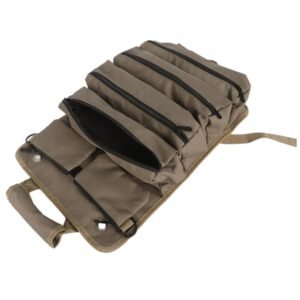
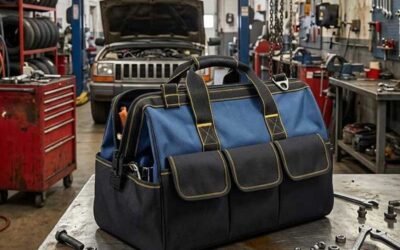
Außendienstmitarbeiter verbringen 15%–20% ihrer Arbeitszeit damit, nach verstreuten Werkzeugen und Teilen zu suchen. Das durchdachte Fachdesign und die offene Öffnungsstruktur können die Arbeitseffizienz erheblich steigern. Die mit Stahldraht verstärkte große Öffnung lässt sich nach dem Öffnen des Reißverschlusses vollständig aufklappen und bietet einen klaren Einblick in den Innenraum sowie Zugriff mit einer Hand. Inneren Gummibänder und mehrschichtige Trennfächer ermöglichen die sortierte Aufbewahrung von Ventilen, Schnellkupplungen, Schrauben und anderen Kleinteilen, um Zusammenstöße und Verschleiß zwischen Metallteilen zu vermeiden.
|
Strukturelle Konfiguration
|
Werkzeugtasche in Profiqualität
|
Gewöhnliche Werkzeugtasche für den gewerblichen Gebrauch
|
Praktische Vorteile
|
|---|---|---|---|
|
Bodenstruktur
|
PE-Hartboden / dicker, pannensicherer Gummiboden
|
Weicher Stoffboden, keine Stütze
|
Durchsickerschutz, Durchstoßschutz, Verformungsschutz, Verlängerung der Lebensdauer durch 40%+
|
|
Eröffnungsgestaltung
|
Mit Stahldraht verstärkte, vollständig offene große Öffnung
|
Gewöhnliche schmale Reißverschlussöffnung
|
Vollständige Übersicht im Inneren, schneller Zugriff auf Werkzeuge, Zeitersparnis bei der Bedienung
|
|
Interne und externe Partition
|
Mehrlagige Inneneinteilung + elastisches Befestigungsband + äußere Schnellzugriffstasche
|
Einschichtiger hohler Innenraum, wenige äußere Taschen
|
Systematische Lagerung, Vermeidung von Teileverlusten und Verschleiß durch Werkzeugkollisionen
|
3. Hardware-Zubehör & Nähhandwerk: Garantierte Langlebigkeit bei hoher Beanspruchung
Ein Versagen der Tragfähigkeit von Werkzeugtaschen wird meist durch lockere Nähte und beschädigte Beschläge verursacht. Professionelle Industriewerkzeugtaschen werden mit industrieller Nähtechnik und verstärkten Metallbeschlägen hergestellt, um den Anforderungen eines langfristigen Einsatzes unter hoher Belastung gerecht zu werden. Branchendaten zeigen, dass Werkzeugtaschen mit verstärkten Nähten und Metallbeschlägen eine durchschnittlich dreimal längere Lebensdauer aufweisen als gewöhnliche Produkte für den privaten Gebrauch.
|
Wichtiges Zubehör & Basteln
|
Professioneller Industriestandard
|
Uneingeschränkte kostengünstige Konfiguration
|
Erinnerung zur Beschaffung
|
|---|---|---|---|
|
Nähverfahren
|
Kreuzstich + Riegelverstärkung an den Belastungspunkten
|
Gewöhnlicher einfacher Geradstich, ohne Verstärkung
|
Belastungspunkte wie der Griff und die Befestigung des Schultergurts müssen verstärkt werden, um ein Reißen unter hoher Belastung zu verhindern
|
|
Reißverschluss-Spezifikation
|
8#/10# – verstärkter Reißverschluss mit doppeltem Grobzahnprofil, leichtgängig und verfilzungsfrei
|
5# – gewöhnlicher, dünner Reißverschluss, der leicht klemmt und bricht
|
Der robuste Reißverschluss ist für häufiges Öffnen und Schließen sowie für den Einsatz in einer Umgebung mit Metallspänen ausgelegt.
|
|
Lasttragende Verbindung
|
Kräftiger D-Ring aus Metall + Befestigung mit Metallniete
|
Verbindungsstück aus Kunststoff, das bei niedrigen Temperaturen und unter hoher Belastung leicht bricht
|
Metallzubehör ist in industriellen Hochlastanwendungen unverzichtbar
|
|
Handgriff & Schulterriemen
|
Rutschfester Griff aus dickem Schaumstoff + verbreitertes, druckentlastendes Schulterpolster
|
Dünner Stoffgriff, schmaler Schulterriemen, an dem sich Hände und Schultern leicht einklemmen können
|
Das ergonomische Design verringert die Ermüdung bei längerem Tragen
|
4. Größenauswahl und Abstimmung auf die jeweilige Branchenanwendung
Unterschiedliche Einsatzszenarien erfordern Werkzeugtaschen unterschiedlicher Größe. Eine unpassende Größenwahl führt zu unzureichendem Stauraum oder zu sperrigen und unpraktischen Tragbedingungen. Unter Berücksichtigung der Nutzungsgewohnheiten industrieller Anwender und der Marktverkaufszahlen sind Werkzeugtaschen mit einer Größe von 14 bis 16 Zoll die gängigsten Modelle; sie machen 58% des Marktanteils aus und eignen sich für die meisten Wartungs- und Ingenieurarbeiten vor Ort. Modelle mit großem Fassungsvermögen ab 18 Zoll werden hauptsächlich zur stationären Aufbewahrung in Lagerräumen und Kofferräumen verwendet.
- – Tragbares Modell (14–16 Zoll): Ausgewogenes Verhältnis zwischen Kapazität und Tragbarkeit, geeignet für Wartungsarbeiten durch Elektriker, Rohrleitungsbau, Baustellenarbeiten und den täglichen Außendienst – die erste Wahl für professionelle Mitarbeiter im Außendienst
- – Modell mit 18 Zoll+ und großem Fassungsvermögen: Viel Stauraum, geeignet für die Aufbewahrung von großen Werkzeugen, maßgefertigten Serienteilen und Ventilzubehör; zur festen Aufstellung in Werkstätten und Lagern
- – Multifunktionales Schichtenmodell: Geeignet für Anwendungsfälle, die eine feine Klassifizierung kleiner Teile wie Schnellkupplungen und Präzisionskleinteile erfordern
5. Überblick über Branchentrends und Beschaffungslage
Angetrieben durch den weltweiten Infrastrukturausbau und die industrielle Modernisierung entwickelt sich der Markt für Werkzeugtaschen weiter in Richtung Professionalisierung, Langlebigkeit und Benutzerfreundlichkeit. Der Marktanteil von Werkzeugtaschen der mittleren bis oberen Preisklasse steigt von Jahr zu Jahr, und die Nutzer verzichten zunehmend auf kostengünstige Einwegprodukte mit geringer Haltbarkeit. Unter dem Gesichtspunkt der Großbeschaffung und der langfristigen Kostenkontrolle können hochwertige, strapazierfähige Werkzeugtaschen die Austauschhäufigkeit und die Gesamtnutzungskosten effektiv senken.
Abschließende Checkliste für die Beschaffung
✅ Aus hochdichtem Oxford-Gewebe (600D/1680D) mit doppelschichtiger wasserdichter Beschichtung
✅ Robuster, pannensicherer PE-Boden, um das Eindringen von Wasser und Schäden am Werkzeug zu verhindern
✅ Mit Stahldraht verstärkte, vollständig offene Öffnung + mehrteilige Trennwand
✅ Verstärkte Riegelnaht + verstärkte Metallbeschläge
✅ Ergonomischer, rutschfester Griff und druckentlastender Schultergurt
✅ Wählen Sie die passende Größe entsprechend den jeweiligen Einsatzszenarien aus